What Is Longevity

Hallmarks of Aging

The biological signals of aging itself — inflammaging, glycation and AGEs, oxidative stress, and mitochondrial dysfunction — the cellular damage patterns that accumulate over decades and the López-Otín framework that frames how researchers categorize them.

Featured Library in Hallmarks of Aging

PresentationFeb 9, 2026

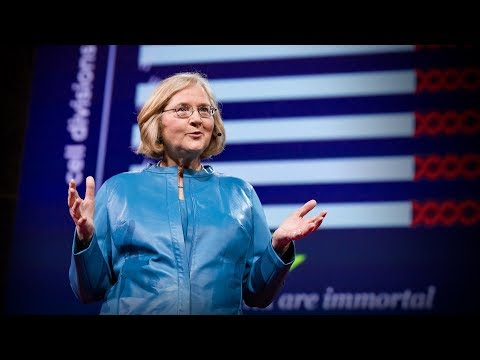
Telomeres and Longevity: The Science of Cellular Resilience

Discover the cutting-edge science behind telomeres—the protective DNA caps that determine cellular aging and lifespan. Sebastian Conti from T.A. Sciences reveals how these molecular timekeepers influence longevity and explores evidence-based strategies to support telomere health. From understanding the latest research on telomere biology to practical interventions that may slow cellular aging, this session provides actionable insights for health optimization. Learn why telomeres are considered the holy grail of aging research and how you can potentially influence your own cellular clock for enhanced healthspan and longevity.
ArticleJan 23, 2026

Telomere Length: The Cellular Clock You Can Actually Influence

Scientists have discovered how to rebuild your cells' protective caps—telomeres—that shorten with age. New research shows telomerase activation can reduce inflammation by 62% and measurably reverse cellular aging markers.

ArticleJan 23, 2026

Your Body Already Knows How to Repair Itself. Here's How to Give It More Resources.

Stem cell availability declines with age, leaving tissues that once healed quickly struggling to repair. Discover how specific botanicals can increase circulating stem cells by up to 80%, restoring your body's natural renewal capacity.

PresentationFeb 12, 2026

The Stem Cell Revolution: Mobilizing Your Body's Built-In Healing

Stem cell scientist Christian Drapeau, founder of Stemregen, reframes everything you thought you knew about stem cells. Moving beyond injections and clinical treatments, this session reveals stem cells as your body's continuous repair system—regenerating your skin monthly, your liver every few years, and even your heart over decades. Drapeau explains how declining stem cell production beginning in our 30s creates cellular deficits that drive aging, and introduces the science of endogenous stem cell mobilization: triggering your bone marrow to release more of your body's own regenerative cells for natural tissue repair and longevity optimization.

PresentationFeb 10, 2026

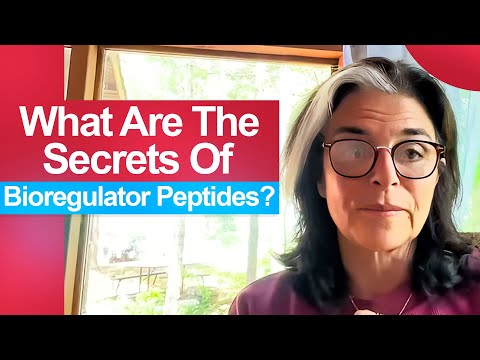
Bioregulators & Peptides: Tap Your Body's Hidden Repair Code

Longevity educator and podcaster Nathalie Niddam explores bioregulators—tiny peptide chains that penetrate directly into cells to activate DNA repair and restore gene expression. Drawing from the groundbreaking work of Professor Khavinson's peptide theory of aging, this session demystifies how these two-to-four amino acid complexes differ from conventional peptides, why they don't need receptors to work, and how they address aging at the cellular motherboard. Niddam shares her favorite six "desert island" bioregulators and explains their role in a comprehensive longevity strategy, while navigating the evolving regulatory landscape and distinguishing between synthetic and animal-derived formulations.

ArticleFeb 10, 2026

Bioregulator Peptides: What Your Cells Might Be Waiting For

Bioregulator peptides are short-chain amino acid sequences designed to support tissue-specific gene expression that naturally declines with age. Longevity educator Nathalie Niddam explains how personalized peptide strategies, built on solid foundations, may help restore the body's own regulatory signals.

Topics in Hallmarks of Aging

Altered Intercellular Communication

Altered intercellular communication is an aging hallmark in which cell signaling degrades, driving chronic inflammation and tissue dysfunction across the body.

Cellular Senescence

Cellular senescence occurs when damaged cells stop dividing but refuse to die, releasing inflammatory signals that accelerate aging and disease.

Chronic Inflammation

Chronic inflammation is a persistent, low-grade immune activation that drives aging and disease. Learn how it works, what fuels it, and how to measure it.

Deregulated Nutrient Sensing

Deregulated nutrient sensing describes how aging cells lose the ability to respond properly to food signals, driving metabolic decline and age-related disease.

Disabled Macroautophagy

Disabled macroautophagy is the age-related decline in cellular self-digestion, allowing damaged proteins and organelles to accumulate and drive disease.

Dysbiosis (as Aging Hallmark)

Dysbiosis, an imbalance in gut microbial communities, is now recognized as a hallmark of aging linked to inflammation, immune decline, and metabolic dysfunction.

Genomic Instability

Genomic instability is the accumulation of DNA damage over a lifetime, driving aging and disease. Learn the mechanisms, repair pathways, and what influences the rate of damage.

Geroscience

Geroscience studies the biological mechanisms of aging to delay or prevent age-related diseases simultaneously, rather than treating each disease in isolation.

Glycation and AGEs

Glycation produces advanced glycation end-products (AGEs) that stiffen tissues, drive inflammation, and accelerate aging. Mechanisms, markers, and practical steps.

Inflammaging

Inflammaging describes the low-grade, chronic inflammation that accelerates biological aging, driving disease risk across every organ system.

Loss of Proteostasis

Loss of proteostasis describes the age-related decline in protein folding and recycling that drives cellular dysfunction, neurodegeneration, and tissue damage.

Mitochondrial Dysfunction

Mitochondrial dysfunction impairs cellular energy production and accelerates aging. Learn the mechanisms, biomarkers, and interventions that address it.

Oxidative Stress

Oxidative stress occurs when reactive oxygen species overwhelm cellular antioxidant defenses, driving aging and disease. Learn the mechanisms, markers, and interventions.

Stem Cell Exhaustion

Stem cell exhaustion is the age-related decline in tissue repair capacity. Learn the mechanisms behind it, how it connects to other hallmarks, and what the evidence says.

Telomere Attrition

Telomere attrition is the gradual shortening of protective chromosome caps with each cell division, driving cellular aging, senescence, and tissue decline.

The Hallmarks of Aging Framework

The hallmarks of aging framework identifies 12 biological processes that drive aging, from genomic instability to chronic inflammation, and how they connect.

Latest News in Hallmarks of Aging

LifeSpan.ioApr 20, 2026

How Inflammaging Is Linked to Epigenetic Aging

A Cell Genomics study demonstrates that age-related systemic inflammation (inflammaging) correlates with epigenetic aging as measured by established epigenetic clocks. This connection bridges two major aging hallmarks and suggests chronic low-grade immune activation reflects measurable changes in gene expression patterns independent of overt disease.

LifeSpan.ioMay 7, 2026

How Intestinal Aging Encourages Harmful Bacteria

Intestinal aging creates a self-reinforcing cycle where the gut barrier weakens, immune function declines, and harmful bacteria replace beneficial species. This shift compromises the production of short-chain fatty acids and other metabolites that support immune regulation, accelerating mucosal dysfunction and systemic inflammation with advancing age.

Longevity.TechnologyFeb 19, 2026

Why aging feels harder after 40

Circulating stem cell count declines sharply after age 30, reducing tissue repair capacity and resilience. This decline correlates with recovery time, injury healing, and disease risk—making stem cell abundance a measurable predictor of healthspan independent of conventional longevity markers.

Wiley Aging CellMay 5, 2026

Aged Gut Microbiota Induces Mucosal Transcriptional Dysregulation, Impairing Immune Surveillance

Aging disrupts intestinal mucosal immunity through a cascade of changes: epithelial barrier weakening, shifts toward pro-inflammatory gut bacteria, dysregulation of immune surveillance cells, and impaired pathogen recognition. This multi-system breakdown creates a mechanistic link between microbial composition and immune dysfunction that directly drives infection susceptibility in older adults.

Wiley Aging CellMar 13, 2026

Glycative Stress Disrupts the Mitochondrial‐Lysosome Axis and Promotes Geroconversion in Aging Cardiomyocytes

Advanced glycation end products accumulate in cardiac mitochondria with age, impairing lysosomal function and mitochondrial quality control. This impaired clearance mechanism drives cellular senescence and represents a mechanistic link between cardiac aging and heart failure development.

Longevity.TechnologyMar 19, 2026

Targeting protein misfolding in neurodegeneration

Protein misfolding drives over 100 diseases and accelerates aging-related decline. Origami Therapeutics is developing targeted protein degraders and conformation correctors that address root cause mechanisms rather than symptoms, with initial focus on neurodegenerative diseases including Huntington's, Alzheimer's, and Parkinson's.