

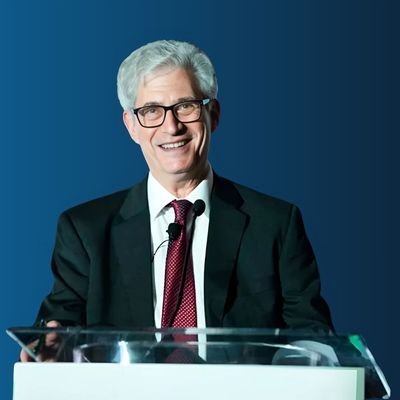
The biohacking and longevity movement faces an unprecedented regulatory inflection point that could fundamentally reshape access to emerging therapies and innovative treatments. Bernard Siegel, a Florida-based attorney turned regenerative medicine advocate and Executive Director of the Healthspan Action Coalition, presents a sobering analysis of what he frames as either "the greatest thing that ever happened for biohacking or an extinction event" in the context of shifting political winds. Drawing on two decades of advocacy work that began with a landmark 2002 case involving the world's first alleged human clone, Siegel brings historical perspective to the current regulatory upheaval threatening peptides, stem cells, psychedelics, hyperbaric therapies, and other non-pharmaceutical interventions.
Siegel grounds his analysis in the profound acceleration of human technological progress, invoking Alvin Toffler's "Future Shock" to contextualize how unprepared society remains for converging innovations in AI, cellular medicine, and biotechnology. He explores the remarkable complexity of human cellular biology—citing the 36 trillion cells functioning as microscopic "sci-fi cities" within our bodies—and the promise of technologies like Yamanaka factors to reverse aging at the cellular level. The presentation examines breakthrough achievements in regenerative medicine, including the mRNA vaccine development by Nobel laureate Katalin Karikó that demonstrated how decades of obscure basic research can yield life-saving applications. Yet Siegel contrasts this scientific progress against the vulnerability exposed by COVID-19 and emerging threats like avian flu, questioning whether regulatory frameworks can balance innovation with safety.
The session confronts head-on the controversial statements from incoming HHS leadership, particularly RFK Jr.'s declaration of war on the FDA's "aggressive suppression" of stem cells, peptides, psychedelics, raw milk, and numerous other modalities that "advance human health but can't be patented by pharma." Siegel presents this as an apolitical but serious examination of what regulatory revolution could mean for vendors, practitioners, and consumers in the biohacking space. He addresses the deep divisions within the health optimization community itself—from vaccine skeptics to mRNA advocates—and the challenge of navigating scientific freedom versus evidence-based oversight.
This presentation matters because it captures a critical moment when the infrastructure supporting longevity medicine hangs in the balance. Through the Regenerative Medicine Foundation and World Stem Cell Summit, Siegel has spent over two decades building bridges between scientists, lawmakers, investors, and patient advocates to advance stem cell research and cellular therapies. His perspective as both cancer survivor and policy architect offers unique insight into how the current regulatory chaos could impact the future availability of transformative treatments that extend healthspan and address age-related disease at the cellular level.
Featured Leader
About Healthspan Action Coalition
Healthspan Action Coalition
Healthspan Action Coalition (HSAC) is a nonprofit advocacy and policy research organization working to extend global human healthspan by uni...