The longevity field has more tools than ever. Peptides, bioregulators, hormone optimization protocols, biological age testing, and dozens of biohacking devices compete for attention. What's lagging behind is something less glamorous but more consequential: the number of practitioners trained to use these tools in an integrated, personalized way.
That gap matters. A peptide protocol delivered without understanding someone's metabolic baseline, sleep quality, or stress load is guesswork dressed up as precision medicine. The intervention isn't the hard part. Knowing when, why, and for whom to deploy it is.
The Practitioner Bottleneck
Demand for longevity services is accelerating. Clients walk into clinics asking about NAD+ infusions, GLP-1 receptor agonists, and biological age reversal. Many practitioners, trained in conventional models that prioritize disease management over optimization, find themselves without a framework for these conversations.
This creates two problems. Clients receive fragmented advice from social media instead of coordinated guidance. Practitioners lose revenue and relevance in a sector that's growing fast. The solution isn't more products. It's better education that connects lifestyle foundations to advanced interventions through a coherent clinical lens.
Building the Bridge Between Lifestyle and Science
Effective longevity practice starts with what costs nothing. Sleep architecture, circadian rhythm alignment, nutrient-dense whole food intake, movement, and stress regulation form the base. These aren't optional add-ons. They are the biological environment in which every other intervention either succeeds or fails.
From that foundation, trained practitioners layer in targeted strategies. Hormonal optimization addresses the endocrine shifts that affect energy production, body composition, cognitive function, and mood regulation as we age. Peptide therapy leverages small signaling molecules, some of which modulate immune defense, tissue repair, and inflammatory pathways, to support the body's own regenerative capacity. Biological age testing through validated biomarkers offers measurable feedback, turning subjective feelings of vitality into trackable data.
The mechanism matters here. It's not enough to know that a peptide like BPC-157 supports tissue repair. Understanding that it influences growth factor expression and nitric oxide pathways helps a practitioner determine whether it fits a client's situation, or whether addressing sleep debt and gut health should come first.
One Institute's Approach to Closing the Gap
The Human Longevity Institute, founded by Dr. Melissa Petersen, offers certification programs designed to give health and wellness professionals a structured path into longevity practice. Their curriculum spans lifestyle medicine, peptide therapy foundations, metabolic health, and hormone optimization, bundled with clinical protocols and business systems for implementation.
What makes this model worth noting is its emphasis on integration. Rather than teaching a single modality in isolation, HLI trains practitioners to assess a client's full biological picture and sequence interventions accordingly. Free starter courses allow practitioners to evaluate the approach before committing, and a membership collective provides ongoing peer learning and collaboration.
For consumers, HLI offers a 12-week Rewind program focused on age reversal strategies accessible outside a clinical setting. It's one option among many, and works best when paired with foundational health habits and, where appropriate, practitioner guidance.
Where This Fits in a Whole-System View
No certification program replaces clinical judgment built over years of practice. And no practitioner training eliminates the need for individuals to take ownership of the basics: consistent sleep, real food, daily movement, managed stress, and meaningful connection. These remain the highest-leverage, lowest-cost interventions available.
What structured education does is create practitioners who understand the full spectrum, from elimination of interference to advanced optimization, and can guide clients through it with coherence rather than chasing the latest trend.
The longevity field is maturing. The tools are impressive. The opportunity now is ensuring the people delivering them are equally prepared. That's a future worth building toward.
Human Longevity Institute | humanlongevityinstitute.com | Longevity education and practitioner certification programs for health professionals and wellness enthusiasts.
Videos
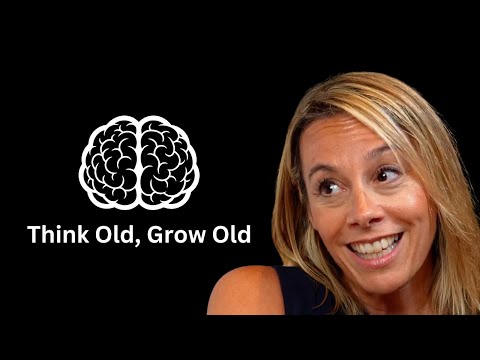
How Aging Begins With How You Think — Dr. Melissa Petersen
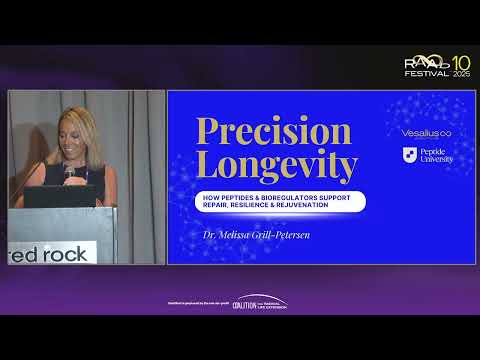
The Future of Precision Longevity: Peptides, Bioregulators & Signal-Level Repair
About Human Longevity Institute
Human Longevity Institute
The Human Longevity Institute provides education and certification programs in longevity and health optimization. These programs target heal...