Your body already knows how to regenerate. Every wound that heals, every bone that mends, every liver cell that replaces itself is proof that the machinery for repair is built into your biology. The question that interests longevity researchers isn't whether regeneration is possible. It's why it slows down with age, and whether we can do something about it.
That question has led scientists to a surprising source of insight: the tissues we've been discarding after birth for centuries.
The Parabiosis Principle
Some of the most compelling research in aging biology comes from a technique called heterochronic parabiosis. The term breaks down simply: different ages, living together. In laboratory studies, when circulatory systems of young and old animals are connected, something remarkable happens. The older organism shows measurable improvements in tissue repair, muscle regeneration, and cognitive function.
The implication is significant. The signals that drive regeneration aren't lost with age. They're diluted. Young blood, tissues, and extracellular vesicles (EVs) contain concentrated regenerative factors, growth proteins, signaling molecules, and cellular building blocks that appear to reawaken dormant repair pathways in older systems.
Why Perinatal Tissues Matter
If young biology carries regenerative signals, then the youngest human tissues of all sit at the logical extreme of that spectrum. Amniotic fluid, placental tissue, and umbilical cord material exist in an environment optimized entirely for growth and development. These tissues are rich in proteins, EVs, and extracellular matrix components that orchestrate the rapid tissue formation happening in the womb.
After a healthy birth, these materials are typically discarded. But researchers have recognized that they represent a concentrated source of the very regenerative compounds that decline as we age. The challenge has been extracting and preserving these components in ways that maintain their biological activity.
This is where processing methodology becomes critical. Not all extraction techniques are equal. The way cells, EVs, and matrix are isolated from birth tissues directly affects their composition and potency, which is why manufacturing standards matter enormously in this space.
From Lab to Clinical Research
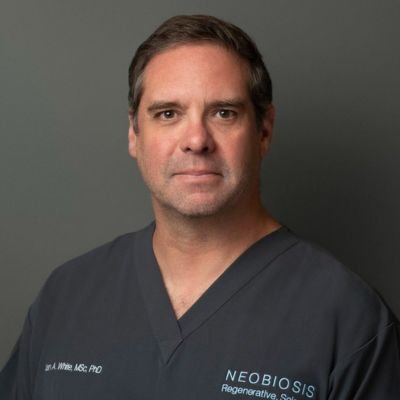
Neobiosis, a Gainesville, Florida-based biotechnology company, has built its work around this science. Founded by Dr. Ian White, a regenerative medicine researcher with two decades of experience at institutions including Dartmouth, Harvard, and Cornell, the company develops and manufactures perinatal products specifically for clinical research and trials.
Operating from the University of Florida's Sid Martin Innovate Biotechnology Center and dedicated CGMP cleanrooms, Neobiosis uses proprietary technology to extract cells, EVs, and matrix from donated birth tissues. As a Contract Development and Manufacturing Organization, they also help other companies bring perinatal products from concept through manufacturing under rigorous quality standards. Their facility carries FDA registration and has passed both FDA and state inspections.
It's worth noting clearly: these products are not FDA approved for the prevention, treatment, or cure of any disease. They're positioned for research and clinical trials, which is exactly where the science needs to be right now. Rigorous clinical data is what will determine whether perinatal therapies fulfill their potential.
The Bigger Picture
Regeneration doesn't happen in isolation. The body's repair systems depend on adequate sleep, sound nutrition, managed inflammation, and consistent movement. No single intervention, no matter how promising, replaces those foundations. Perinatal science represents one piece of a much larger puzzle, a strategic addition to a system that's already functioning well.
For those interested in where regenerative medicine is headed, the work being done with birth tissues is worth following closely. The biology is grounded. The research is underway. And the principle at the center of it, that your body already has the tools to repair itself, is one of the most empowering ideas in modern health science.
Neobiosis is a biotechnology CDMO developing perinatal products for clinical research and trials. Learn more at neobiosis.com.
Videos
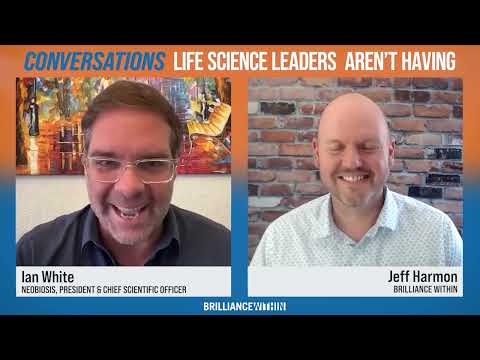
The Hero’s Journey from Scientist to Leader – with Dr. Ian White
About Neobiosis
Neobiosis
Neobiosis develops and manufactures perinatal products from birth tissues like amniotic fluid, placenta, and umbilical cord. These products...