

Your ancestors knew something about food preservation that modern processing stripped away. Traditional fermentation doesn't just extend shelf life: it transforms proteins into more bioavailable forms while creating beneficial compounds that support multiple biological systems.
The modern food industry optimized for speed and scale, sacrificing the time-honored practices that enhanced both nutrition and digestibility. But a growing understanding of the gut-brain axis and microbiome health reveals why these ancient methods matter more than ever for longevity optimization.
The Science of Fermented Proteins
Fermentation breaks down complex proteins into smaller peptides and amino acids through enzymatic action. This pre-digestion means your body expends less energy absorbing nutrients, leaving more resources for cellular repair and regeneration. Research shows fermented proteins increase bioavailability by up to 30% compared to unfermented sources.
Beyond improved absorption, fermentation creates bioactive peptides with specific health benefits. These compounds support immune function, reduce inflammation, and even influence neurotransmitter production through the gut-brain axis. The lactic acid bacteria involved in traditional fermentation produce short-chain fatty acids that fuel intestinal cells and support barrier function.
Grass-Fed Advantage Amplified
When you start with grass-fed beef, which contains 2-4 times more omega-3 fatty acids than grain-fed, fermentation preserves these delicate fats while making them more accessible. The CLA (conjugated linoleic acid) content, already higher in grass-fed animals, becomes more bioavailable through fermentation. These compounds support healthy inflammation response and metabolic function: two pillars of longevity.
The fermentation process also generates B-vitamins, particularly B12, which many health optimizers struggle to absorb efficiently. Traditional fermentation creates methylcobalamin, the active form your nervous system prefers, supporting energy production at the mitochondrial level.
Integration Into Your Longevity Practice
Quality protein forms the foundation of any longevity protocol. Your muscles, organs, and immune system constantly rebuild themselves from the amino acids you provide. But not all protein sources deliver equal results. Fermented, grass-fed proteins offer a whole-system solution: supporting your microbiome while delivering highly bioavailable nutrition.
Proven Proteins applies these principles to convenient snack sticks, using traditional fermentation methods on grass-fed beef from USA family farms. Their commitment to "soil to animal to finished product" quality means each step enhances rather than diminishes the final nutritional value. With unique flavors like Aronia-Blueberry and Morning Sage, they prove that optimized nutrition doesn't mean sacrificing enjoyment.
Consider fermented proteins as part of your foundational nutrition strategy, especially if you're working to optimize digestive health, immune function, or muscle maintenance. Combined with adequate sleep, stress management, and regular movement, quality protein sources create the stable platform from which other longevity interventions can succeed.
Your body evolved expecting periodic challenges and nutrient-dense foods. By choosing traditionally prepared proteins, you honor that evolutionary wisdom while leveraging modern understanding of why these methods work. The path to your best years ahead often leads through practices your ancestors perfected.
Learn more: Proven Proteins (provenproteins.com) - Traditionally fermented grass-fed beef snacks from USA family farms.
Videos

"Build Muscle After 70: 8 Proteins That Work Better Than Eggs! || Dr. William Li
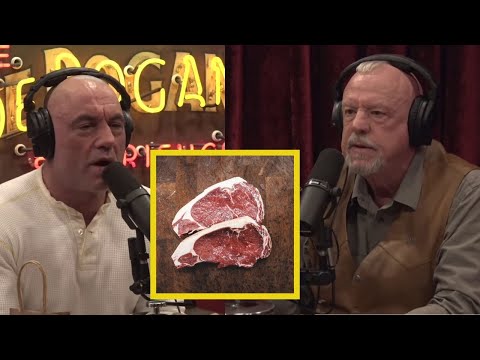
Joe Rogan: Regenerative farmer Will Harris on why GRASS-FED beef is better
Research Papers
C.A. Daley, A. Abbott, P. Larson
This review examines how grass-fed beef (GFB) production variations influence nutritional quality, highlighting higher CLA (twice as much) and omega-3 PUFAs (up to 25% more) compared to conventional beef. Diverse pastures and rotational grazing enhance omega-3 levels and phytochemicals, with grass-finished beef showing favorable n-6:n-3 ratios around 1.53:1 versus 7.65:1 in grain-fed. Rumen pH from forage diets promotes beneficial trans fatty acids like CLA and TVA.
E. Ponnampalam, F. Joseph, S. Suresh et al.
Grass-fed and organic beef provide higher concentrations of beneficial fatty acids like CLA and omega-3 (ALA, DPA, EPA, DHA) due to forage-rich diets. Grass-only feeding significantly increases n-3 PUFA levels and lowers n-6:n-3 ratios (e.g., 2.4 in grass-based vs. 10.0 in concentrates). These improvements support human health outcomes, though more research is needed on de novo CLA synthesis.
About Ripley Cove Farms

Ripley Cove Farms
Ripley Cove Farms raises grass-finished beef on pasture without hormones, antibiotics, or vaccinations. They partner with Proven Proteins to...