Your nervous system has a built-in dial between alertness and rest. The vagus nerve, the longest cranial nerve in your body, is the primary operator of that dial. When it functions well, you shift between states with ease: focused when you need to be, relaxed when the moment calls for it. When vagal tone is low, the dial gets stuck. Stress lingers. Sleep suffers. Recovery slows.
Understanding vagal tone offers a practical lens for longevity. It is not a niche concern for meditators. It is a measurable, trainable capacity that influences heart rate variability, inflammatory signaling, gut motility, and mood regulation.
Why Vagal Tone Matters for Longevity
The vagus nerve carries about 80% of the signals between your gut and brain. It modulates heart rate, controls the inflammatory reflex, and governs the parasympathetic branch of your autonomic nervous system, the "rest and digest" side. Higher vagal tone correlates with better HRV, lower resting heart rate, improved digestion, and more resilient stress recovery.
HRV in particular has become a reliable biomarker in longevity circles. Research links higher HRV to reduced all-cause mortality and better cardiovascular outcomes. The connection is straightforward: a nervous system that can shift gears efficiently is a nervous system that recovers, repairs, and adapts.
The Free Foundations Come First
Before reaching for any device, the basics deserve attention. Slow, diaphragmatic breathing at five to six breaths per minute can activate the vagus nerve in real time. Cold water exposure on the face and neck triggers the dive reflex, a vagal activation pathway studied for decades. Consistent sleep, reduced alcohol intake, and time outdoors all contribute to parasympathetic tone over weeks and months. These cost nothing. They work. They should be the floor, not the ceiling.
How Ultrasound Adds a Layer
Traditional transcutaneous vagus nerve stimulation (tVNS) devices use electrical currents applied to the ear or neck to activate vagal pathways. The research on electrical tVNS is promising, with studies showing effects on HRV, inflammation markers, and mood. But the modality has practical limitations: electrode placement matters, the sensation can be uncomfortable, and stimulation depth is often shallow.
Ultrasound-based stimulation takes a different approach. Focused ultrasound waves can reach deeper tissue structures without electrical contact. The same principle has been used safely in medical imaging for decades. When directed at the auricular branch of the vagus nerve in the ear, ultrasound may activate parasympathetic pathways with greater consistency and comfort than surface-level electrical pulses.
ZenBud is building on this premise. Their ear-mounted device delivers focused ultrasound to the auricular vagus nerve in five-minute, hands-free sessions. No electrodes, no shocks, no required stillness. Users apply a small amount of conductive gel, place the headset, press a button, and continue with their day. The company reports that 80% of beta users noticed a calming effect within five minutes, and they encourage users to track HRV before and after sessions to quantify the shift.
At $299, it sits in the mid-range of consumer neurotech. It is CE compliant and endorsed by practitioners including Dave Asprey and functional medicine clinicians. It is not FDA-approved as a medical device, nor does it claim to treat any condition. It is positioned as a daily wellness tool.
Where This Fits in a Broader Protocol
No single device replaces the fundamentals. Vagal tone responds to sleep quality, nutrition, movement, social connection, and stress load. A tool like ZenBud is best understood as one input in a larger system: something that may accelerate parasympathetic training when the foundations are already in place. Pair it with breathwork, consistent sleep hygiene, and regular HRV monitoring, and you have a protocol that is both measurable and sustainable.
The nervous system is not fixed. It adapts. And the tools available to support that adaptation are becoming more precise, more accessible, and more integrated with the data we already track. That is worth paying attention to.
ZenBud | zenbud.health | Ultrasound vagus nerve stimulation device for daily nervous system training.
Videos
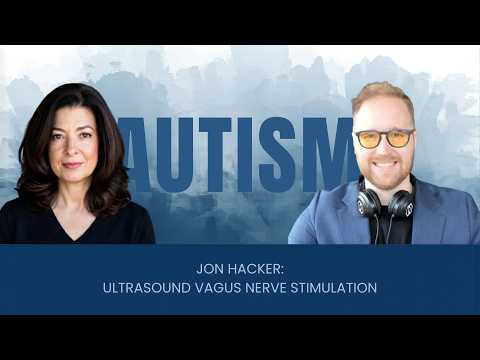
The Device That Could Change Autism Anxiety | Ultrasound Vagus Nerve Stimulator | Jon Hacker
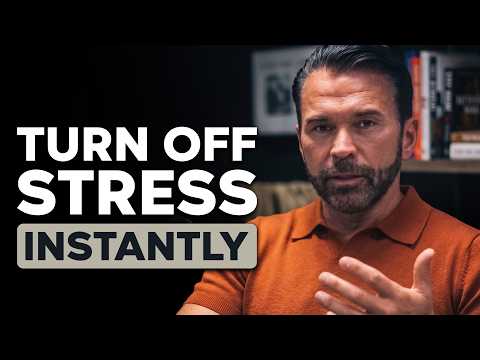
Neuroscientist explains how to reset your nervous system with Jon Hacker
About ZenBud
ZenBud
ZenBud offers a wearable ultrasound device that stimulates the auricular branch of the vagus nerve. The lightweight, ear-mounted design fits...